Lead Marketing Consultant
Matt Simpson has been helping experts and thought leaders build thriving businesses since 2002.
A designer, front-end developer, and digital marketing strategist, Matt Simpson is the Chief Marketing Officer and Creative Director of Infusion.
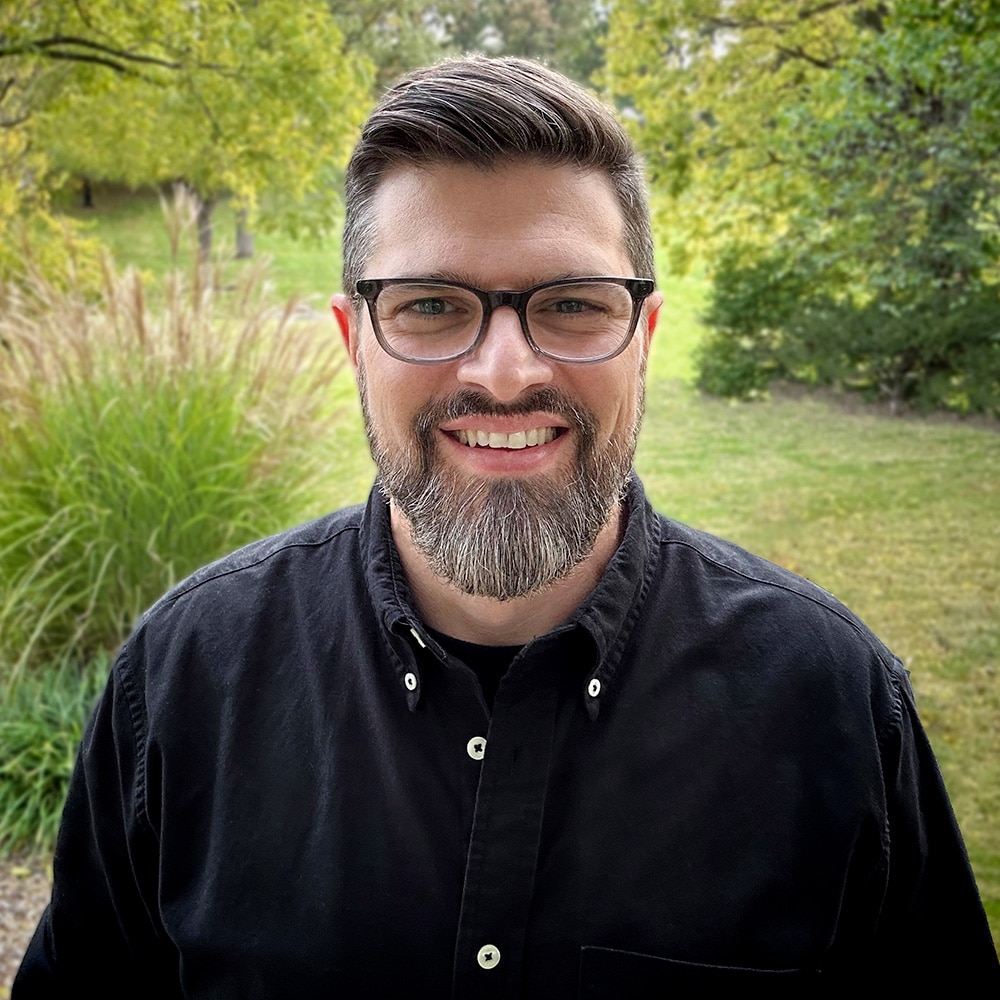
Over the last two decades, Matt and his team have designed and developed more than 500 brands, websites, and digital experiences, working with hundreds of clients throughout the United States and North America.
Background & Business Experience
I’m equal parts designer, front-end developer, and “marketing guy”.
I typically work with clients in a contract or outsourced capacity and fill a hybrid role of marketing manager / website administrator.
For some clients with larger websites or online stores, I manage their entire site, including campaigns and promotions, and keep things running smoothly. For others, I act as more of an “as-needed” contractor, helping them implement specific functionality or features from time-to-time while they manage the day-to-day aspects of their online presence.
I’m an entrepreneur at heart. I started my first company while in high school, designing logos and brochures for local businesses. While in college, I opened the area’s first business service center – think Kinko’s in the early-90’s (that’s FedEx Office for those under the age of 30). After college, I worked in various marketing and creative roles before opening my marketing firm, Infusion, in 2002.
During my career, I’ve been a partner in half a dozen other ventures, from commercial printing to non-profits. Most have been very successful – but a few have failed miserably. I think you can learn as much from the failures as the successes.
In 2014, I co-founded Communicator Coaching with my friends at The Frontline Group.
Over the last 20+ years, I’ve designed just about everything from product packaging to email campaigns, including more than 500 brands, websites, and digital experiences for hundreds of clients throughout the United States and North America.
Connect with me on LinkedIn here.
Website Development & Digital Marketing
I started building websites in the late 90’s, back when a high number on your visitor counter meant you were a total boss. As my firm grew in the early 2000’s, we continued to take on more website work – but each site was a “one-off.” Clients had to come to us for every minor change or build a costly custom CMS (content management system). It was frustrating for the clients, and it left our small team overloaded.
After years of doing things the hard way, I found (and fell in love) with WordPress – and specifically, the Genesis platform. Since then, I’ve created several premium WordPress themes, Genesis child themes, and custom plugins for my clients. I’ve always believed that anyone with a website should be able to update it themselves – and they shouldn’t have to hire someone to add a new page, or change a phone number. That’s why I build all my sites with WordPress. So much can be done with it, and I can still give my clients a site that doesn’t need me to manage it – although many choose for us to manage their sites for them.
Work, Family, and Hobbies
Most days you’ll find me working with clients to grow and expand their businesses through my work at Infusion. I work with clients on everything from website design to traditional marketing services. I also help clients grow their email lists. If you’re interested in working with us, you can find out more about what we do here.
I’m married to my best friend (she’s amazing) and we’re fortunate to be able to work together at Infusion. We have two awesome kids that are growing up all too quickly. In my spare time, I enjoy photography, building furniture in my wood shop, and remodeling houses (I’ve remodeled about a dozen houses and offices over the years.)
Here’s information about my strengths / personality that some like to know…
StrengthsFinder
Myers-Briggs: I’m an INFJ
DISC Profile: Decisive ⋅ Influencing ⋅ Flexible ⋅ Accurate

Fascination Advantage: Forward-Thinking Creativity
You can check out my latest content here, or if you’re interested in working with me, you can find out more about that here.
Thanks again for stopping by!


